Keeping your donor forms emotional (part 1 of 2)
We all know the importance of emotions when crafting campaigns and recruiting donors for our causes. But are you keeping the donor journey emotional all the way, or do you unconsciously switch into a transactional user experience and tone of voice in your donor forms?
 Øyvind Ellingsen
In this article we will explore some common pit falls and some best practices for donor forms and how you can tweak yours to make them less transactional. But first, let’s revisit a key principle in fundraising:
To donate money is an emotional action, not a transactional one
We want to engage the donor emotionally through the entire donor journey. From our emotional messaging in our campaigns, to our non-frictional donor forms and all the way through to the thank you page and follow up communication. I call this the “emotional bubble”, and our goaltask is to not burst this bubble anywhere in the donor journey.
Some common mistakes
Let’s start by looking at some common mistakes that can burst that emotional bubble, and if you identify with any of these, don’t despair, we will look at solutions too!
1. The transactional form
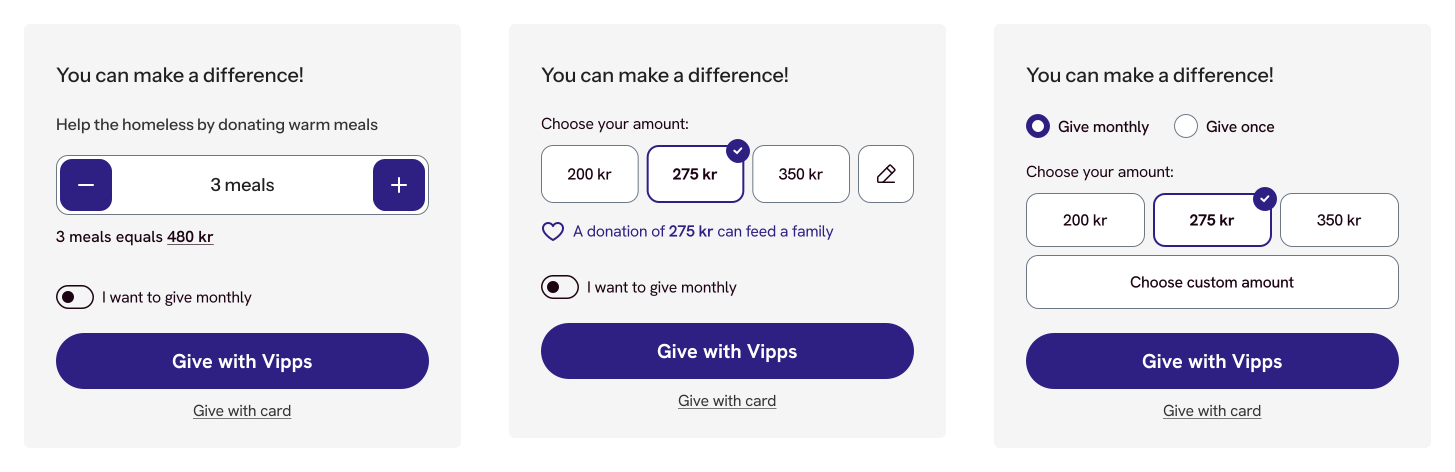
A common mistake is having a transactional form. When the form is making the potential donor think instead of making them feel, it starts getting transactional or rational rather than emotional. In a transactional form you may encounter payment vocabulary like “choose a payment method”, “pay with card” and so on. The donor isn’t buying or paying for something. The donor is giving a gift, through an emotional and non-rational action, so why are we using a transactional language and user experience?
2. The overcomplicated form
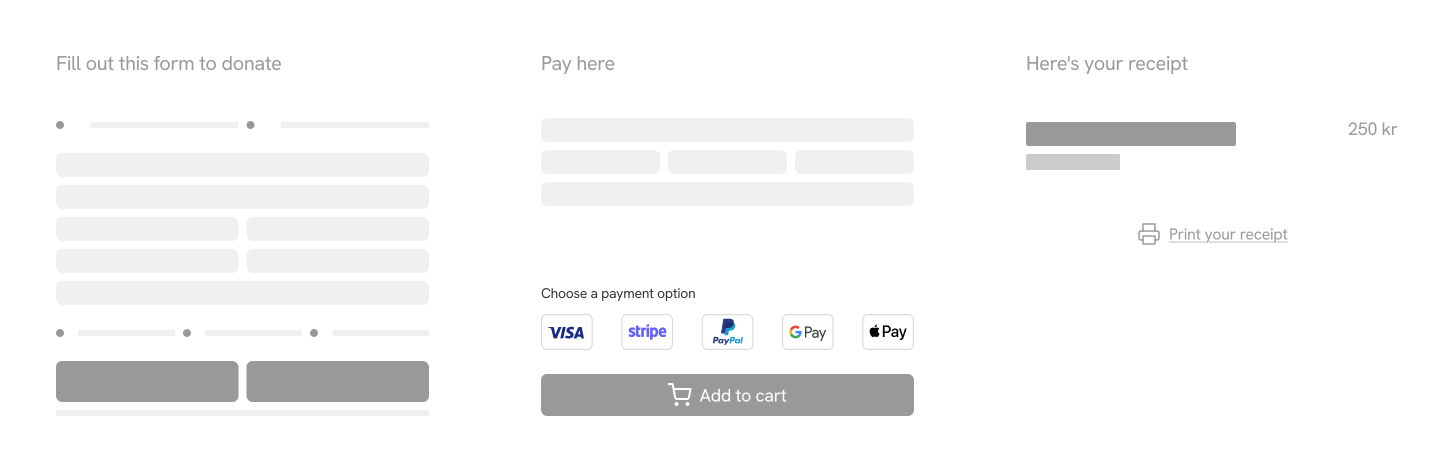
Asking too many questions and making the user fill out a lot of information up front, is another common mistake. Whenever we make the user think about something, they pop out of their emotional state into rational and logical thinking. This can hurt conversion as well as it can hurt the experience of donating to your cause. A better approach is to ask for as little information as possible up front, and get that information through payment vendors preferably, or asking for it at a later stage in the donor journey.
3. The receipt
The peak point of the donor journey should be the thank you page, but a common mistake is to have a generic page or just a plain receipt. Yes, the donor would like to know that the payment went through. But we don’t need to treat it like a payment, and they don’t need a receipt. Going through the donor journey and keeping it emotional all the way through to the donation being processed, just to get a dull looking purely transactional receipt is a really bad experience for the donor. Also keep in mind that the content on the thank you page should be specific and in line with the campaign the donor came from. The thank you should come from the heart and aim for the heart of the donor. It should be a confirmation that the donor just did something amazing for that specific cause they got engaged by, and they should feel amazing about it.

Dekode, your Fundraising partner
We help you design donor journeys that build lasting engagement.
4. Generic follow up
The emotional donor journey doesn’t stop after the first donation has been captured. It continues with a planned follow up for both single donors and recurring donors. When this planned follow up is not tailored and quickly moves into generic communication, it becomes less effective. Keeping the follow up as personal as possible, making the donor feel their contribution is making a difference, is important. It is a lot easier to convert an existing single donor to a recurring donor later, if they feel a personal connection to your cause. And it is easier to convert existing donors in your database, than recruiting new donors. So having a well-crafted follow up is worth the extra effort compared to just keeping it generic.
5. Losing the common thread
Another common mistake is not keeping the communication consistent through the entire donor journey. Having different messaging in the campaign ads and the landing pages can negatively impact the conversion. If a donor gets engaged by your campaign, it can get really confusing if that messaging is different when moving from the campaign to the landing page. Similarly, the experience gets less effective and emotional if the thank-you page and follow up communication is generic and not confirming that the donor has donated to the cause they got engaged by.
Make donating feel good
Transform every step of the donor journey into an emotional experience.